Your clients can generate AI content now.Yet they need you more than ever.
You’ve sat through a lot of AI pitches this year, and most of them sold speed. Speed is now the cheapest thing in marketing. What’s scarce is the ability to predict how a specific audience will read a message, and to show a CMO the reasoning before the budget is approved.
Offered to US agencies by KarmaCom, a leader in digital marketing since 1997.
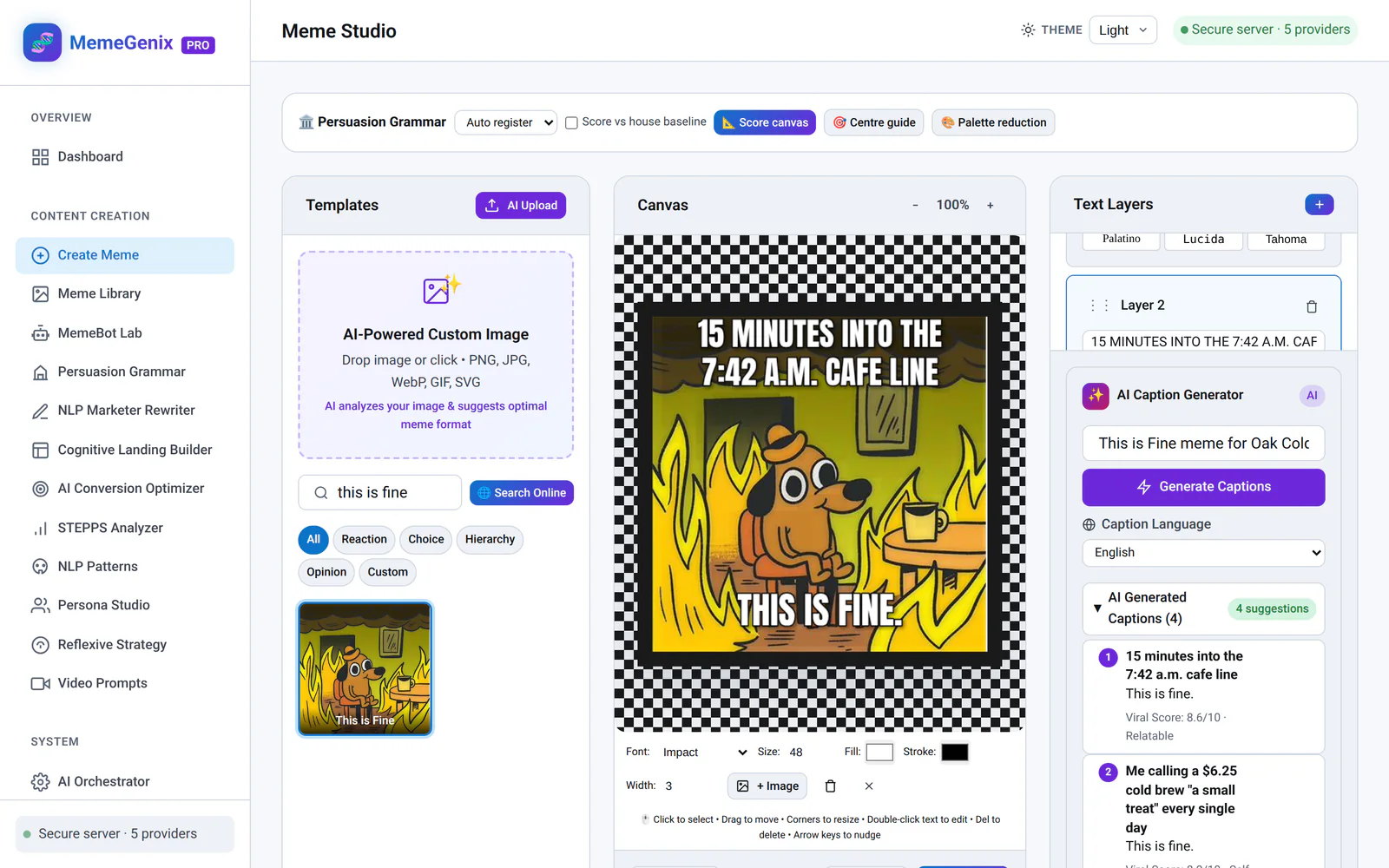
The Robot in the Room is Now the 800-Pound Gorilla.
You’ve probably heard some version of this from your clients:
“Can’t AI just do this now?”
Procurement has seen the demos. Production hours are getting harder to defend line by line.
“We need three times the content on the same budget.”
Content is moving at factory speed: more assets, on more platforms, with fewer rounds to get them right.
“How do we know this will work before we commit?”
CMOs answer to CFOs. Creative that can’t show its backstory is the first thing cut.
None of these is a production problem. Each one is a persuasion problem: which idea will move this audience, and why.
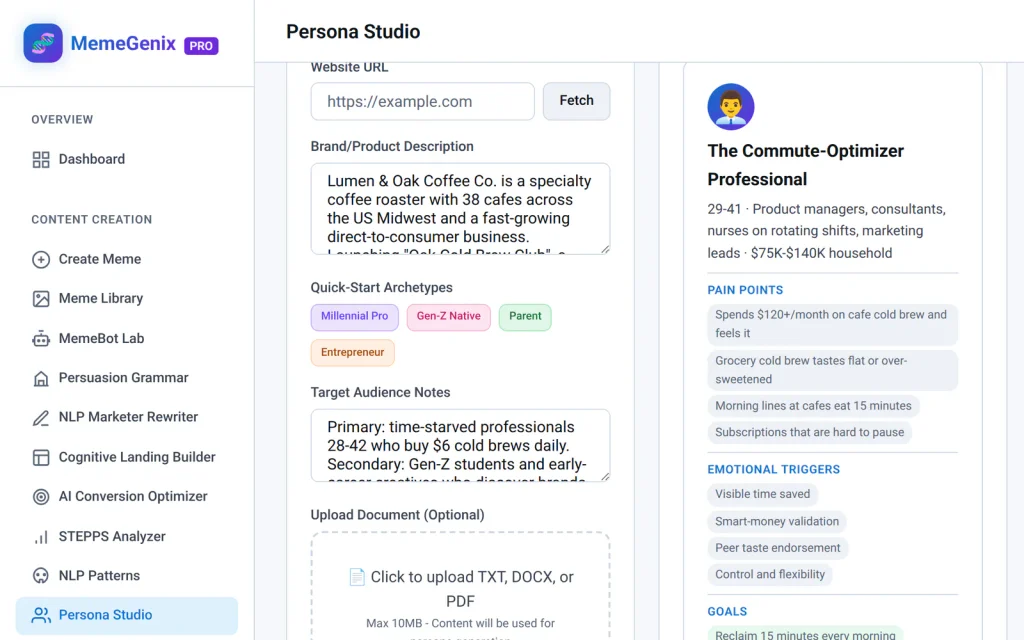
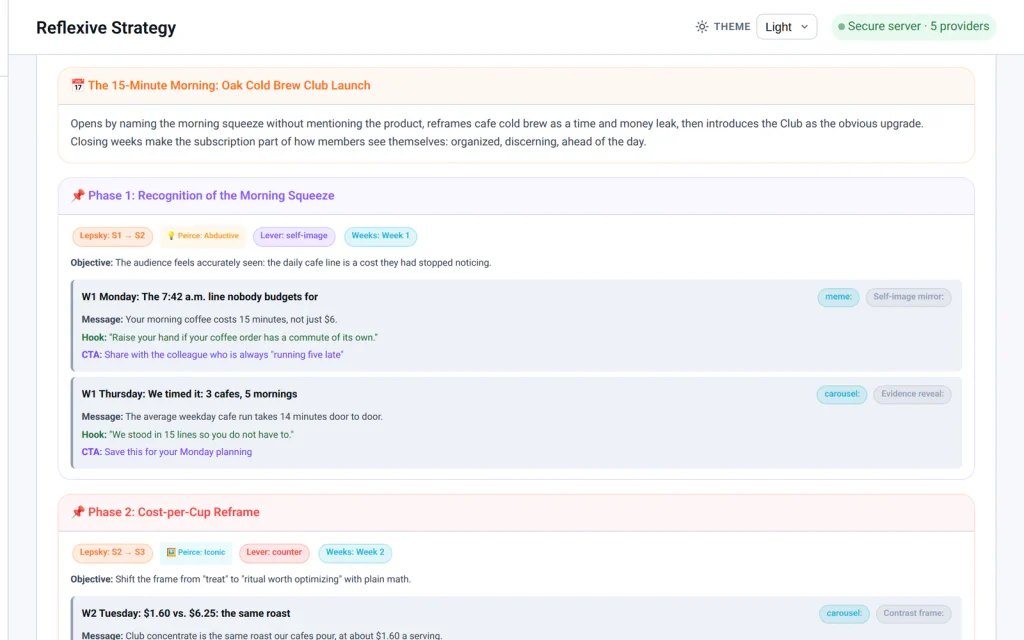
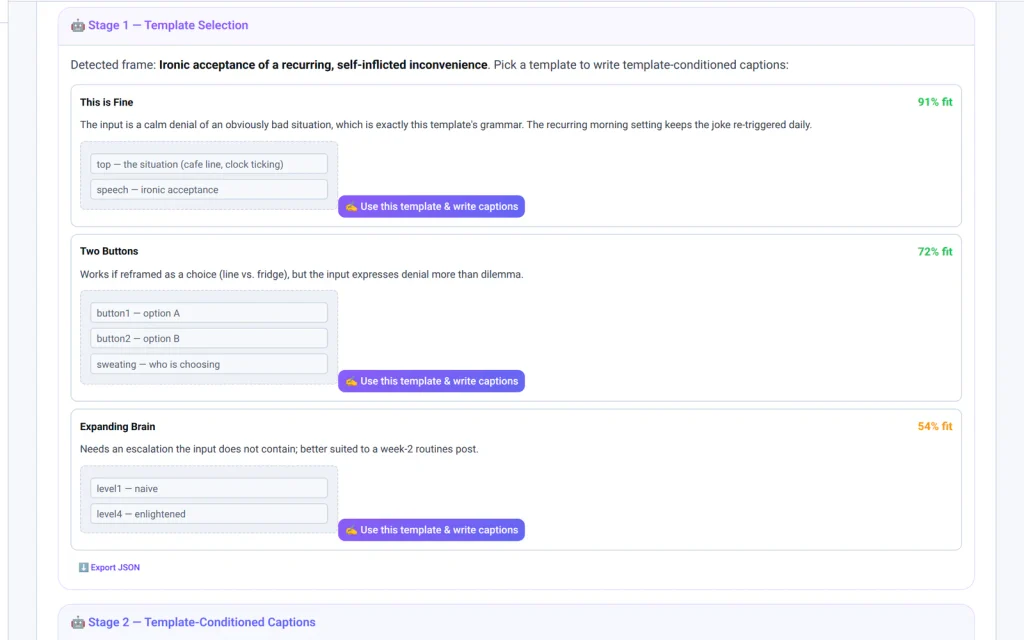
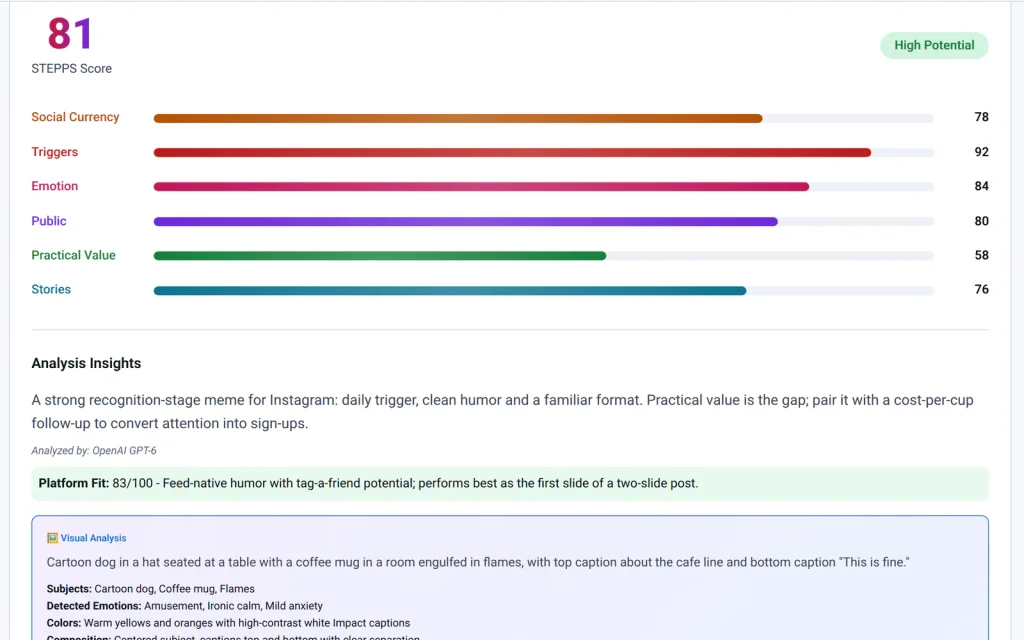
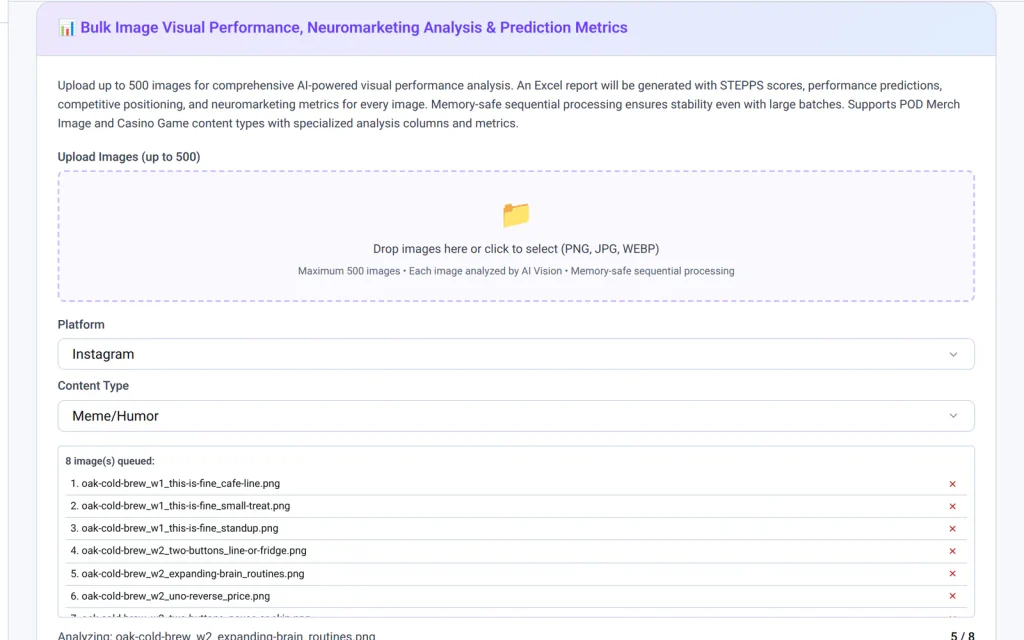
More workspace modules
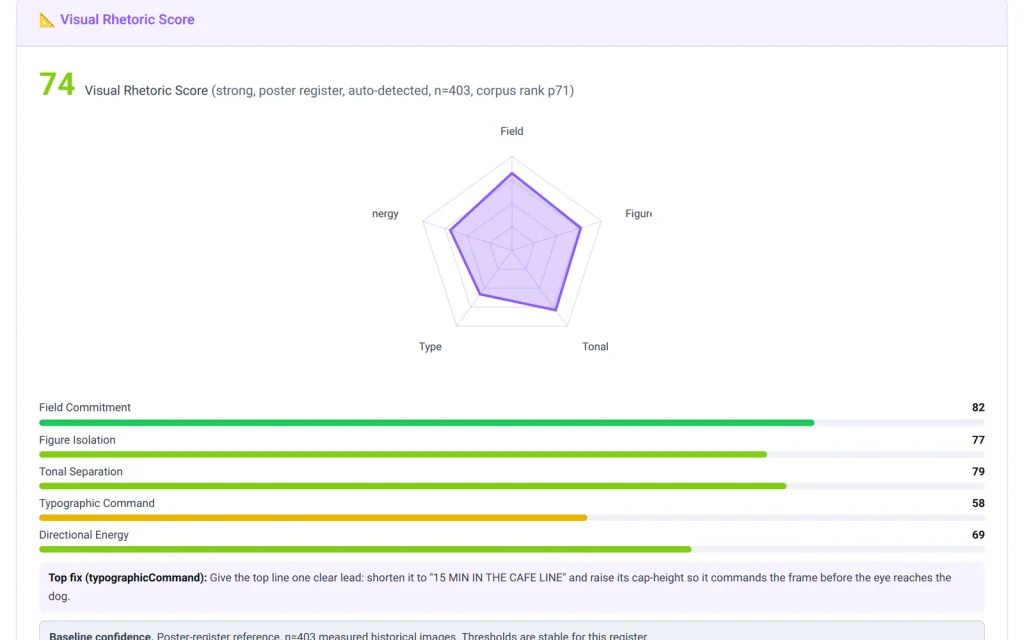
Persuasion Grammar Lab
Rates the visual rhetoric of an asset against a measured corpus of 451 historical persuasion images, with percentile ranks your team can explain.

AI Conversion Optimizer
Shows where attention lands on any landing page, scores it, and suggests copy and image changes.

Cognitive Landing Builder
Builds audience-aware landing pages from brand inputs and live trend data, then hands them to the Optimizer.
Built on published research, not prompt tricks.
Each tool puts a named, citable framework to work, so your team can explain a recommendation instead of defending a hunch.
Reflexive Game Theory
Vladimir Lefebvre
How audiences read the intent behind a message, and how to earn a favorable reading.
Reflexive technologies
Vladimir Lepsky
Staging a campaign from recognition to adoption, so each message prepares the next.
Triadic semiotics
Charles S. Peirce
Designing what a sign leads people to conclude, not only what it shows.
STEPPS
Jonah Berger, the Wharton School
Six drivers of why people share: social currency, triggers, emotion, public, practical value and stories.
Psychological targeting
Matz, Kosinski, Nave and Stillwell, PNAS 2017
Matching the message to personality, with lift measured in large field experiments.
Principles of influence
Robert Cialdini
Reciprocity, social proof, authority and their siblings, detected and scored in your copy.
Questions agency leaders ask first
Straight answers, including to the uncomfortable one. Isn’t engineered persuasion just manipulation with better branding?
A note on the page you’re reading
It was written with the method MemeGenix Pro builds into your team’s workflow. It was edited by a professional copywriter, it opened with your situation before naming a product. It gave you data you can use either way. Only then did it make an offer. The stage markers you passed on the way down were the sequence at work, in plain sight.
The last stage is yours. It should feel like your decision, because it is.
The agencies that grow business and retain the clients are gaming.
AI to work smarter.
If you gave the above statement a big thumb’s up, the next step is small: a live walkthrough on a brief you choose. You’ll see the audience model, the strategy and scored assets for work that is actually on your desk. Then you decide.
No commitment. Mention MemeGenix Pro in the contact form and we’ll set a time.
1
Send a note.
Use our contact form and mention MemeGenix Pro.
2
See it on your work.
We run a live walkthrough on a brief you choose.
3
Start with your team.
If it fits, we set up access and onboard your people on real client work.
Either way, you’ll leave with a sharper read on one live brief.

Product screens show the current MemeGenix Pro release working an example brief for Lumen & Oak Coffee Co., a fictional brand; scores and AI outputs shown are illustrative. © 2026 Karmacom LLC. MemeGenix Pro is offered to agencies through Karmacom. Other product and company names on this page are trademarks of their respective owners.